
Jean Boyd: schoolteacher, educationalist and scholar of Northern Nigeria
In late 2024, Cambridge University Library accepted a tranche of papers relating to the career of the schoolteacher, educationalist and scholar Jean Boyd (1934-2022) who was based in Northern Nigeria between 1955 and 1984. Her time in Nigeria straddled the last years of British colonial rule through to independence in October 1960 and coincided with a number of major events which followed independence: a coup d’état in 1966; military dictatorship; the devastating Nigerian Civil War (the Biafran War); and the presidency of Shehu Shagari, the first democratically elected leader of Nigeria.
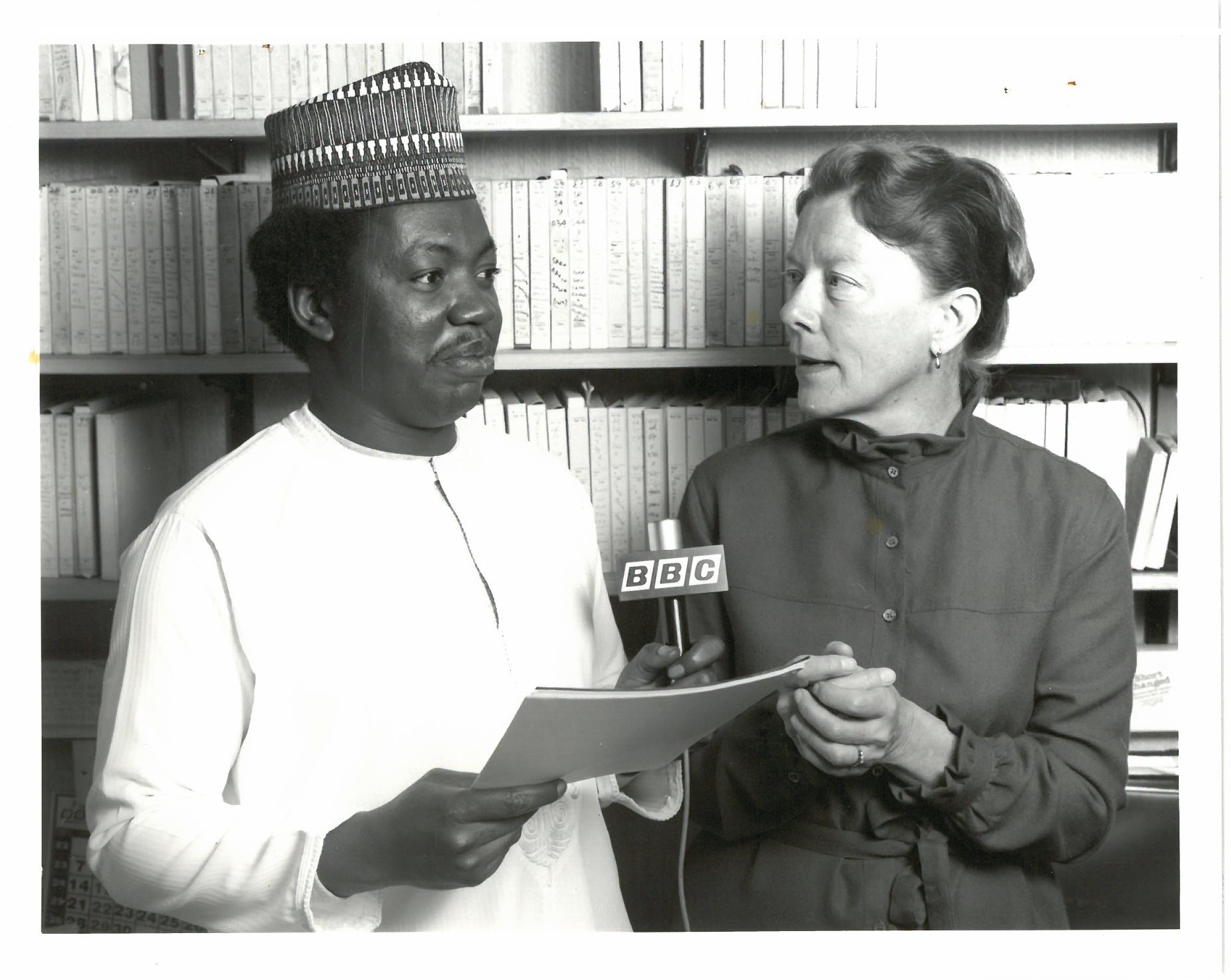
Boyd was educated at the University of Leeds and joined the Colonial Service in 1954. She studied at the Institute of Education, University of London, for a teaching certificate ‘with special reference to tropical areas’ and was posted to Katsina in northern Nigeria in August 1955 at the age of 21 as a Woman Education Officer. Her husband, J.F. (John Foster) ‘Dick’ Boyd (1932-2021) was also a teacher by qualification. His positions included posts at the Provincial Secondary School, Sokoto (1957-1963), Birnin Kebbi Secondary School (1963-4), Katsina Secondary School (1964-7), and Government College [now Nagarta College] Sokoto, (1967-70), before a long stint working in the Sokoto State Ministry of Education until 1984. The collection includes the education papers of Dick Boyd, giving an insight into education policy and curriculum development in post-independence Nigeria.
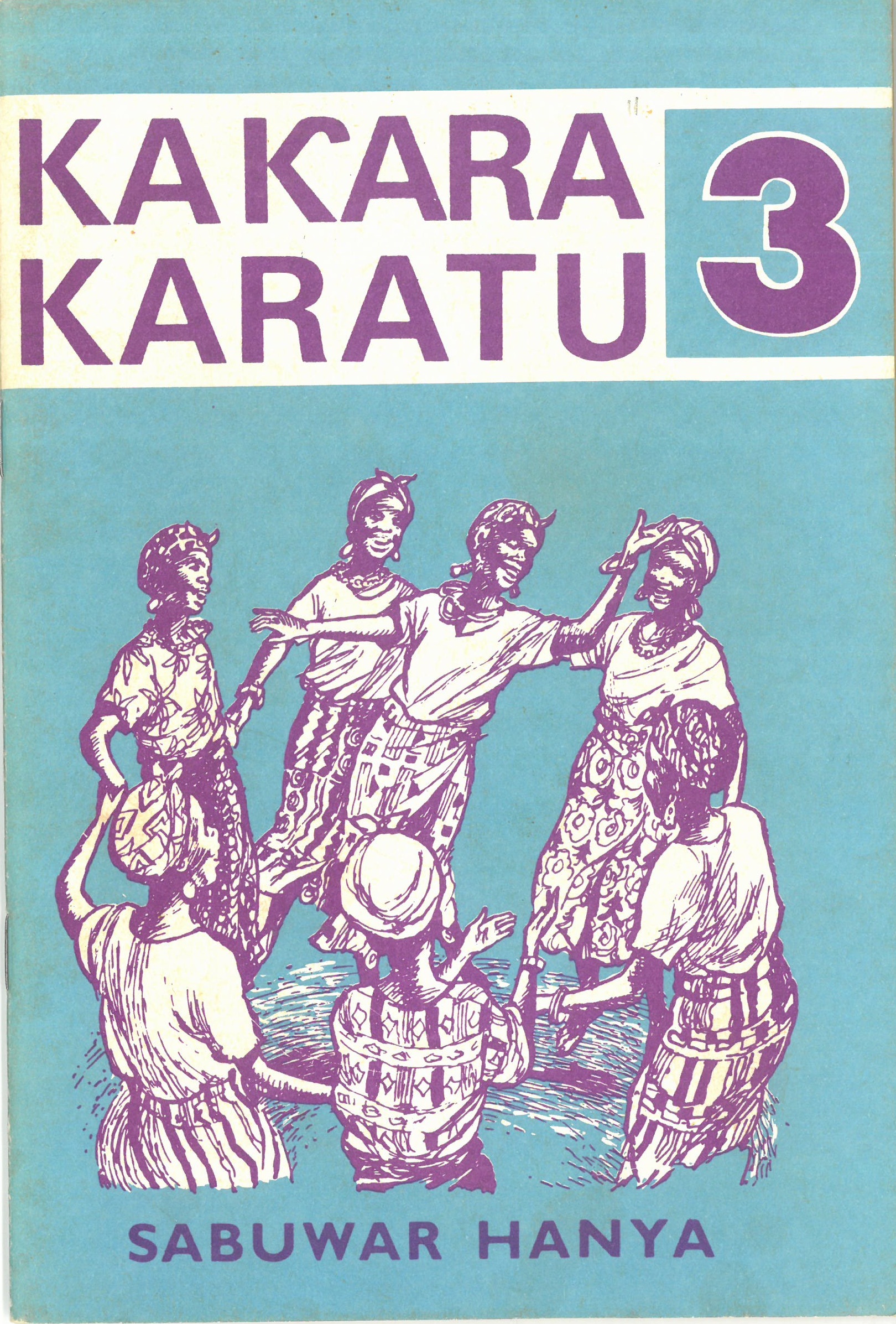
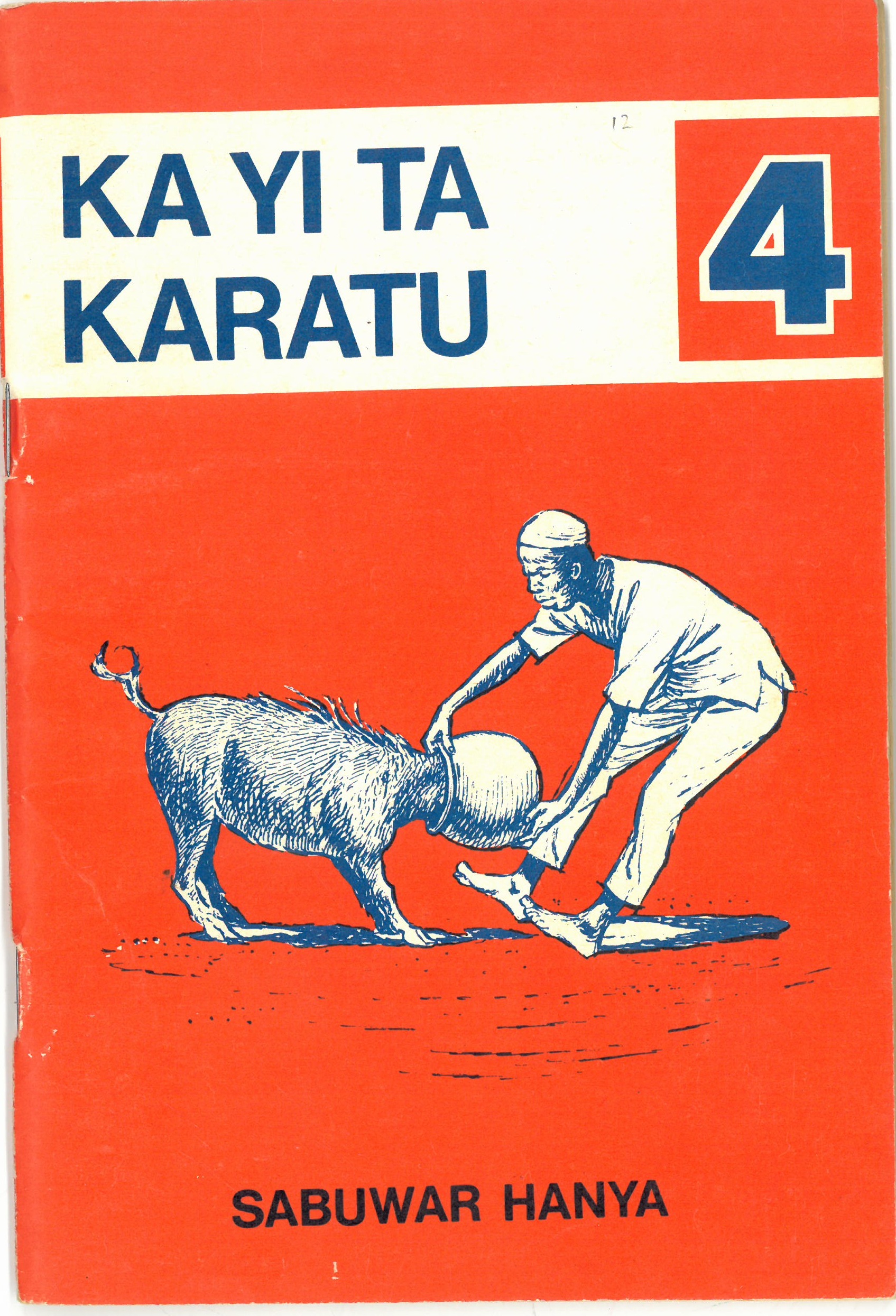
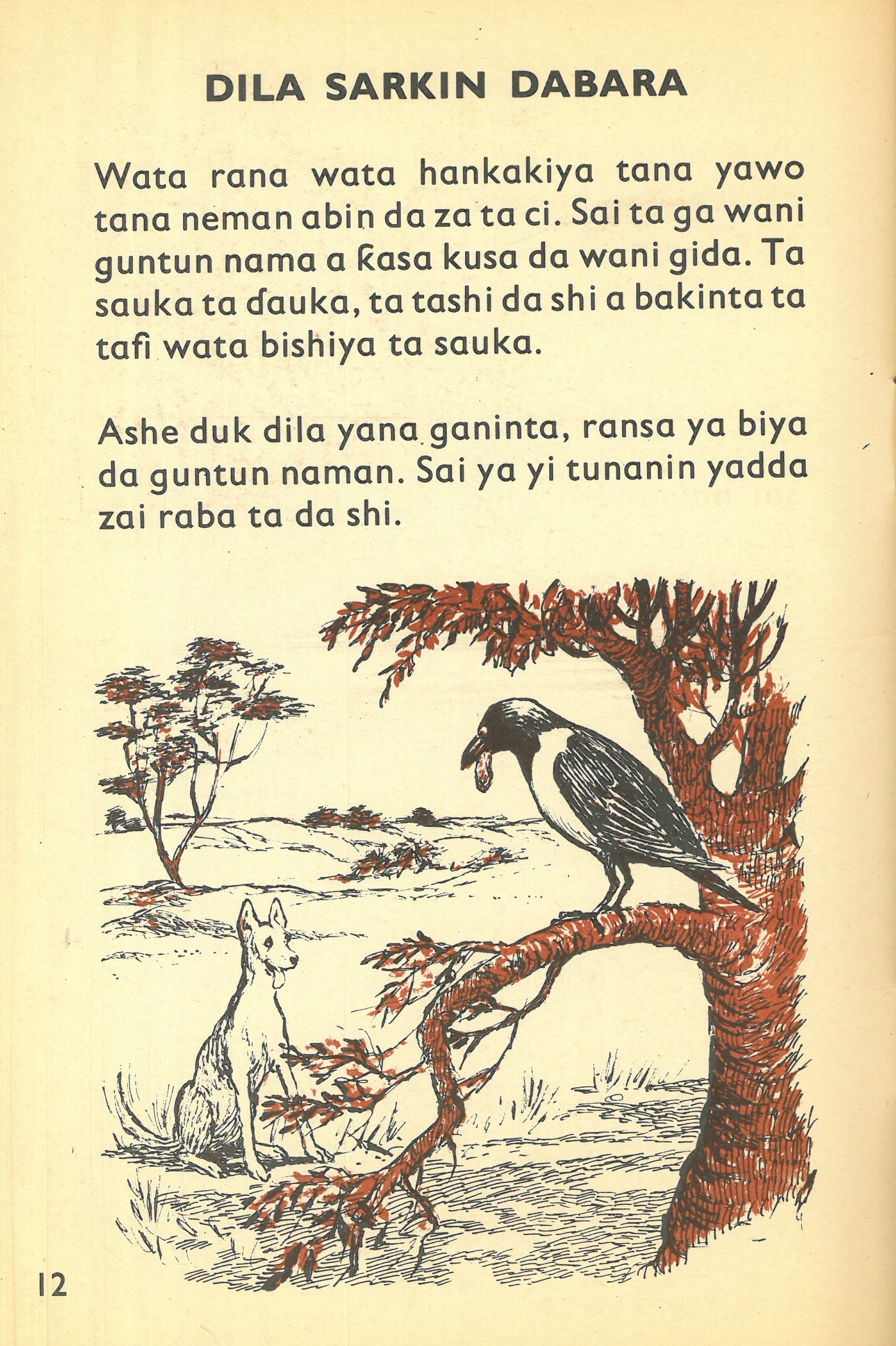
Jean Boyd was passionate about women’s education and, in particular, in encouraging Hausa language teaching in what was otherwise a largely ill-suited British-style curriculum. Along with Nigerian contributors, she was involved in the publication of a series of Hausa reading books for primary school children in the 1960s and 1970s through the aegis of the Northern Nigeria Publishing Company in collaboration with Macmillan. Titles included Ka Koyi Karatu (four books on learning to read), Karamin Sani, Ka Yi Ta Karatu and a range of stories from Hausa history.
Copies of the Hausa reading books along with correspondence, drafts and early prototypes are all preserved in the papers of Jean Boyd. The collection also includes sample teaching material, tests for reading readiness, notes on how to teach reading, various primary and secondary school syllabuses and copies of examination papers, all with a particular emphasis on Hausa.
Having held various teaching positions, Jean Boyd was appointed headmistress of Capital School (later renamed Model School) in Sokoto in 1969. The school was established at the behest of the North West State Executive Council to provide education for the children of civil servants who had been sent to Sokoto when the states system was established. Boyd resigned in 1979 to pursue a research degree, at the same time transferring from the Ministry of Education to the Sokoto State History Bureau. As Principal Research Fellow at the History Bureau between 1980 and 1984, she researched the life and works of Nana Asma’u, supervised students, reorganised the District Notebooks, edited the journal Tarihi, and arranged exhibitions and seminars.
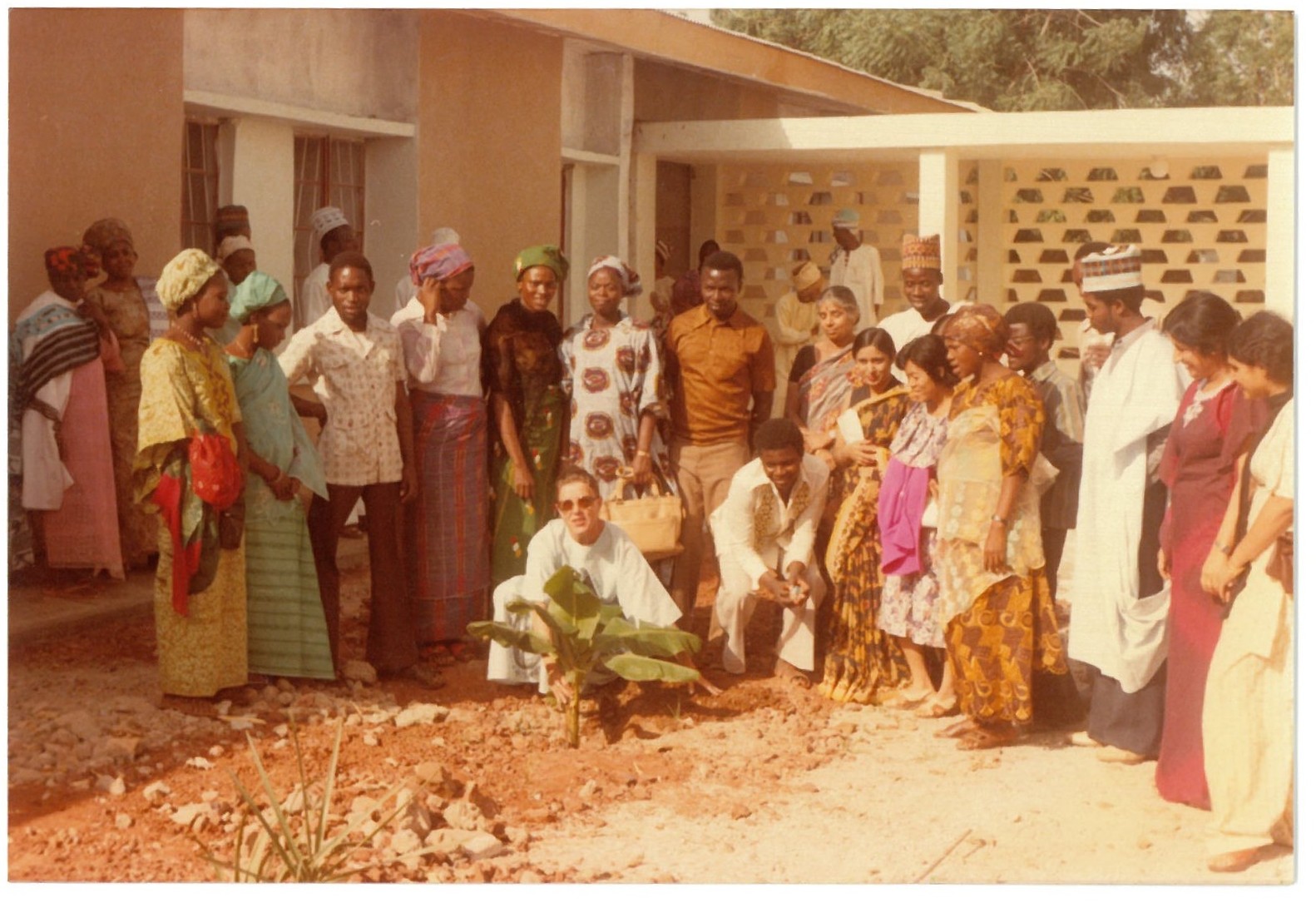
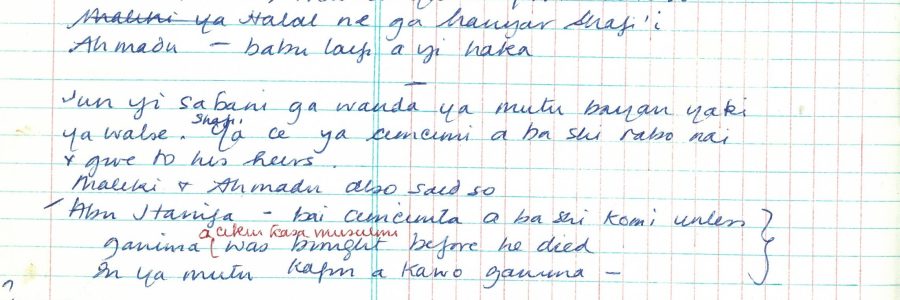
Boyd’s primary research interest was a relatively understudied nineteenth century female poet, Nana Asma’u Fodio (1793-1865), whose work survives in Arabic, Hausa and Fulfulde. She had begun working on the Nana Asma’u documents in her own time in 1975. Her independent research had begun even earlier when she worked for a period for the Sultan of Sokoto, arranging his private apartments in preparation for the visit of the President of the Niger Republic to Sokoto in 1960. Through this work, she gained an insight into the workings of the palace and the court, developed fluency in Hausa, and began a longstanding connection with the Sultan, which proved invaluable for later research into the life of Nana Asma’u. Papers relating to Boyd’s research on Nana Asma’u, including copies of manuscript poems, and related translations are among the papers on deposit at the School of Oriental and African Studies (SOAS).
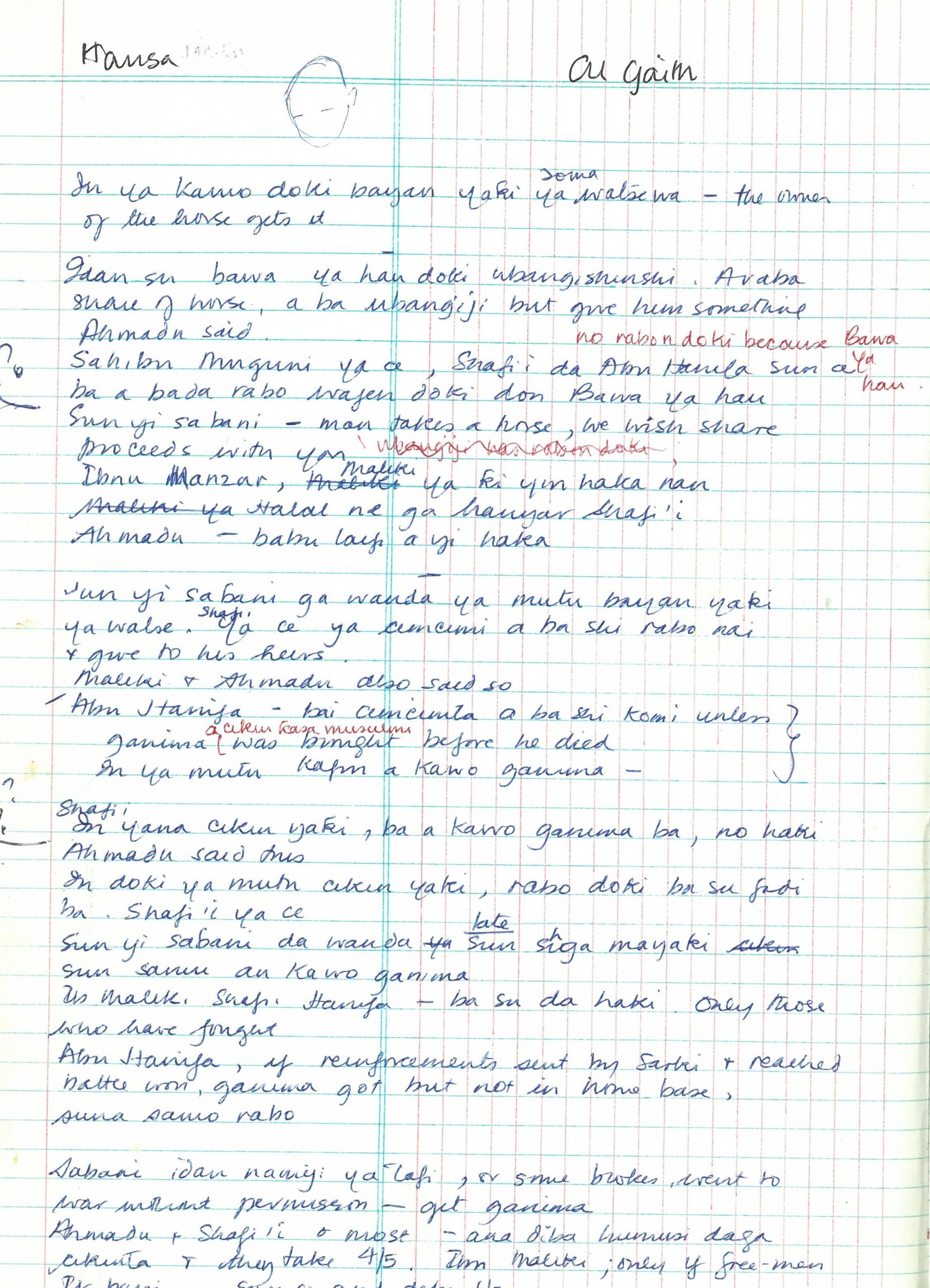
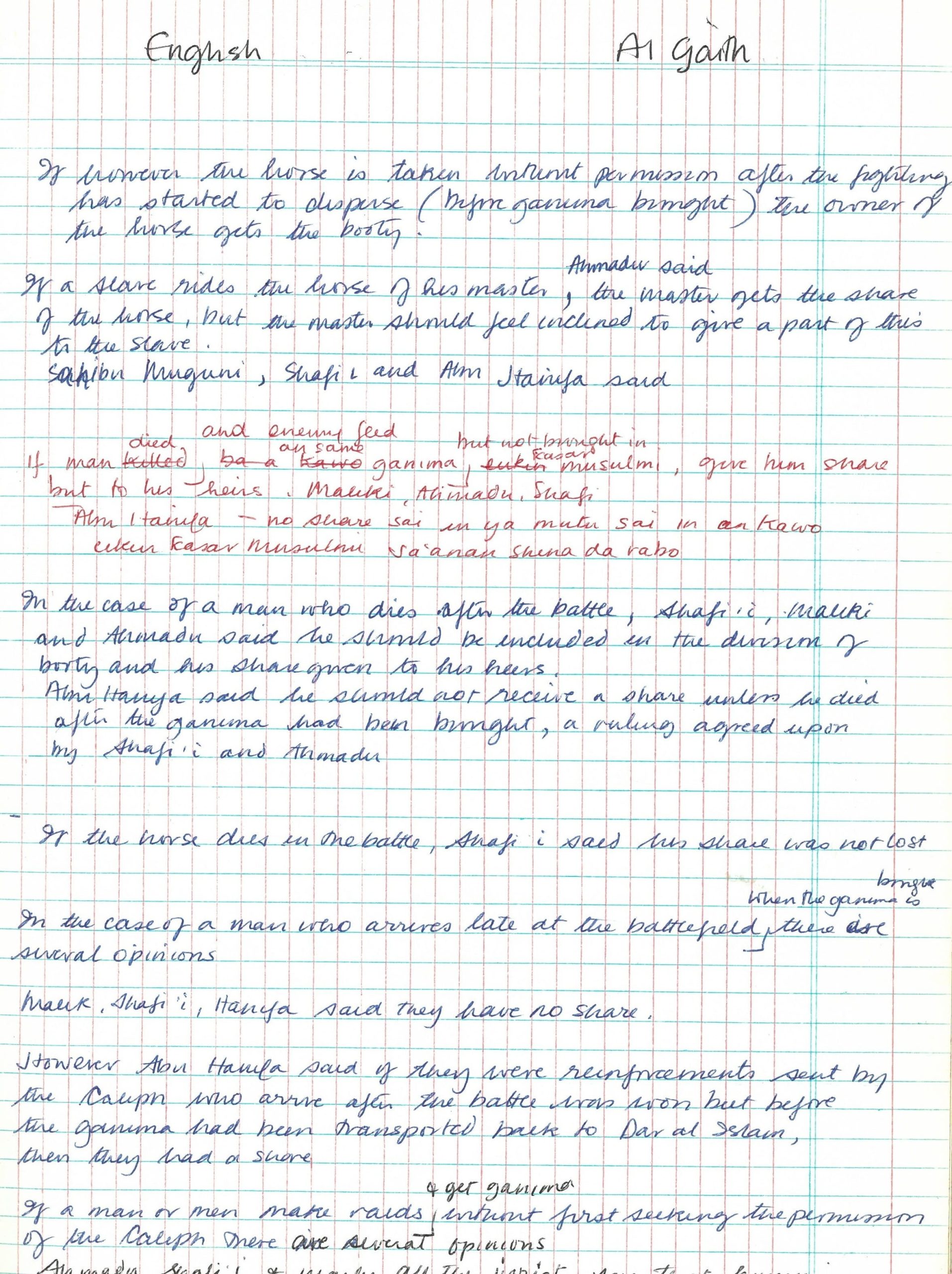
(classmark: RCS/RCMS 419/4/1/1)
Alongside Sidi Sayudi, the son of a well-known scholar, the Ubandoma of Sokoto, Jean worked on producing a Hausa translation of Muhammad Bello’s famous work on the history of the Jihad (Infaq al-Maisur). In doing this work, the pair undertook to visit the sites of the battlefields, often very remote locations reached only on horseback. Many of the sites had strong associations with Nana Asma’u or featured in her poetry. One highlight of the collection is an annotated trek map detailing the route taken in 1976 on horseback. Boyd’s MPhil thesis was submitted in 1982 under the supervision of Dr Murray Last and the degree was awarded by the Council for National Academic Awards (CNAA) in London.
After 29 years in Nigeria, the Boyds returned to the UK in 1984 due to the deteriorating political situation following the deposition of President Shehu Shagari. Settling in Penrith in Cumbria, Jean’s post-Nigerian career included: Research Associate at SOAS, 1990-2014; Chairman, Royal Commonwealth Society, Cumbria, 1989-2001; positions as a school governor in Cumbria.
Her major publications include:
- Collected Works of Nana Asma’u, Daughter of Usman da Fodiyo (Michigan State University Press, 1984), with Beverly Mack;
- Educating Muslim Women (Interface publications Ltd, 2013), with Beverly Mack;
- The Caliph’s Sister (Frank Cass, 1989);
- One Woman’s Jihad (Indiana University Press, 2000), with Beverly Mack;
- Over 100 published articles, seminar papers, conference papers and obituaries;
- Radio programmes for the BBC World Service.
The collection has been catalogued and is now available for consultation in the Special Collections Reading Room at Cambridge University Library. Comprising 51 boxes in total, the papers include a series of correspondence and subject files, published and unpublished works by Boyd, Hausa language material, teaching material, collected papers on Sokoto and Capital School, maps and photographs.
Please contact the RCS curator for further information: rcs@lib.cam.ac.uk.
I appreciate the effort