
Endometriosis & Menstrual Health in Special Collections
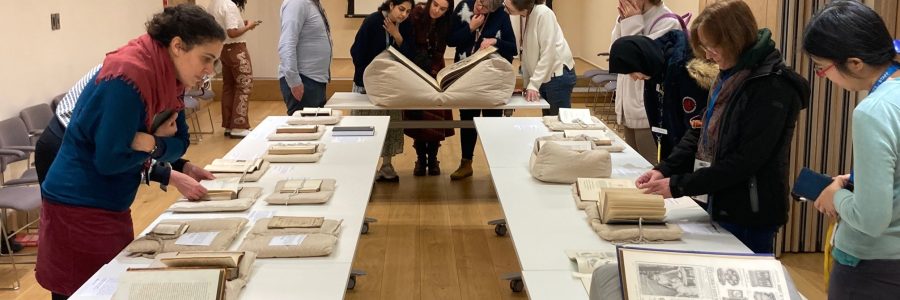
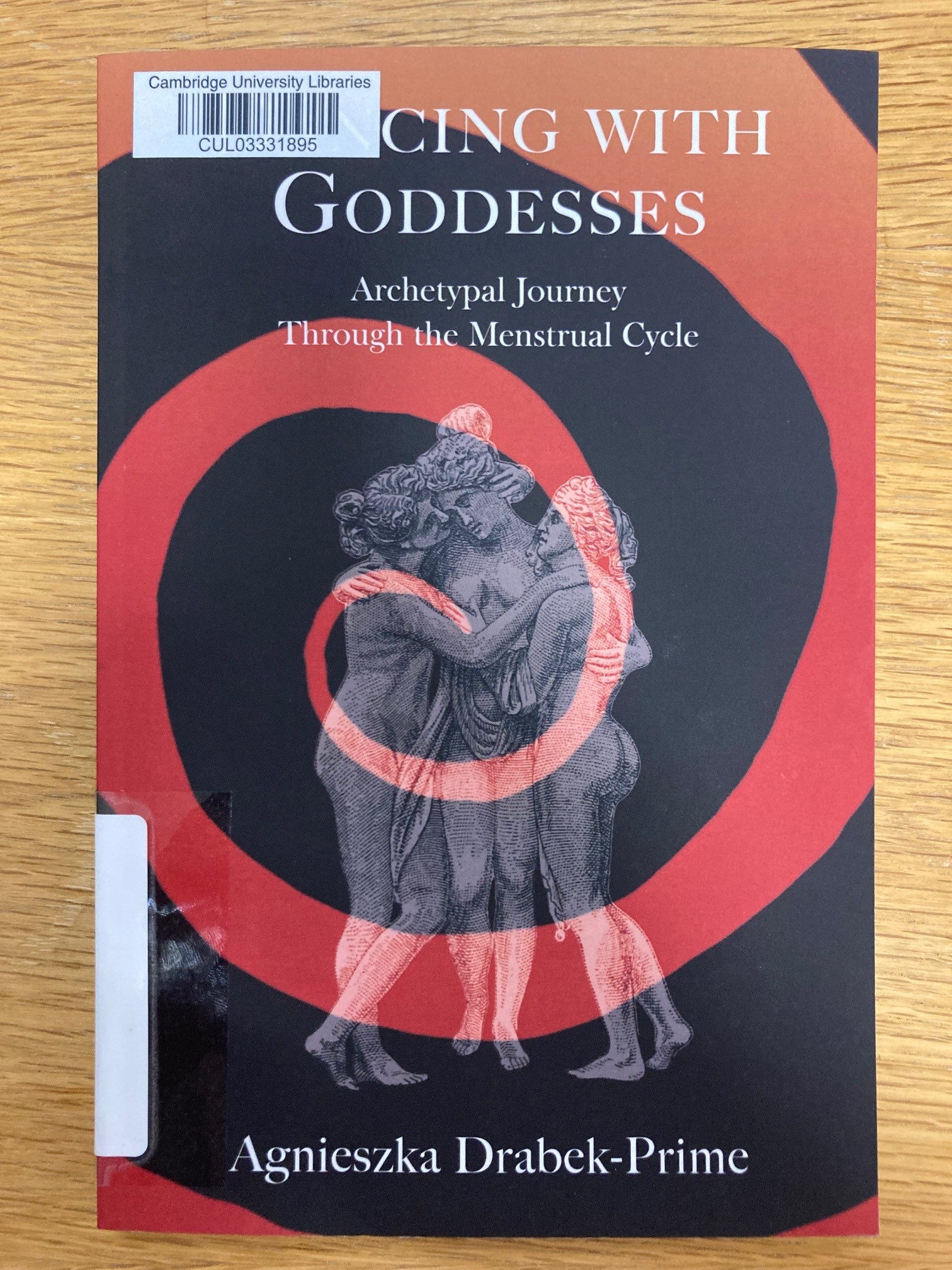
This post is by Ethan Sheard, Senior Library Assistant at the Seeley Library (and Endometriosis Workplace Champion). In December 2025 the University Library hosted (at the suggestion of the Endometriosis Workplace Champions) a tour of the ‘Curious Cures’ exhibition on medieval medicine (by curator Dr James Freeman) and a pop-up display of rare books and manuscripts (by Dr Liam Sims, with assistance from colleagues Agnieszka Drabek-Prime [Endometriosis Workplace Champion], Marianne Picton & Wendy Stacey) to illustrate menstrual health throughout the ages, as Cambridge University Libraries & Archives sought to partner with the charity Endometriosis UK to become an Endometriosis Friendly Employer.
Having had an opportunity to listen to the curator of the excellent Curious Cures Exhibition, Dr James Freeman, speak on the contents and histories of stunning twelfth-century manuscripts, or being able to flip through the pages of a seventeenth-century century book of home remedies, it may seem strange to start this post with a copy of the 1927 American Journal of Obstetrics and Gynecology, currently in the Library Storage Facility in Ely, though hopefully will soon become more clear.
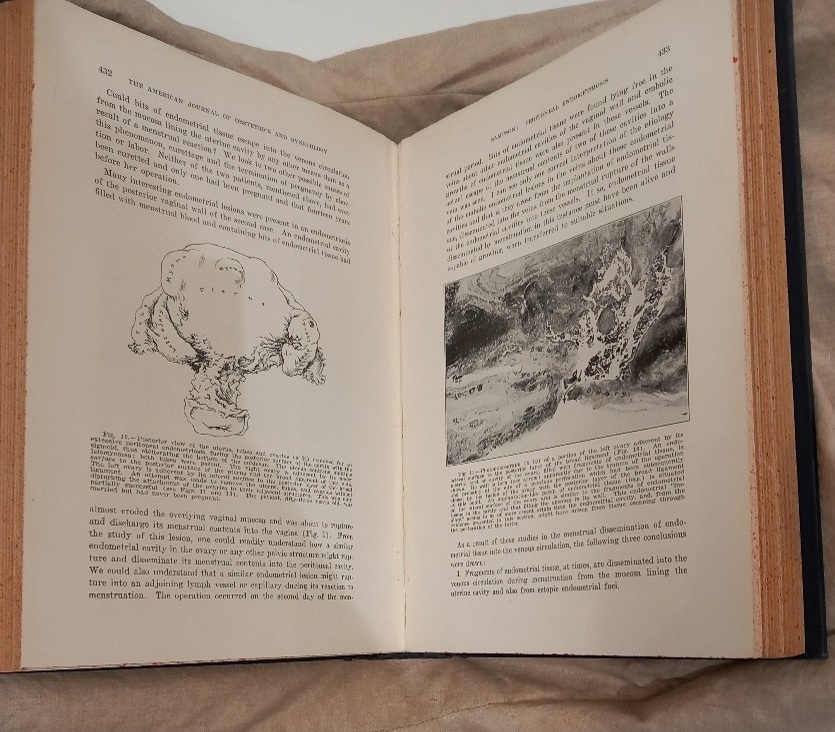
Before getting into the event itself though, I’d like to start by giving an overview of Endometriosis and Adenomyosis, for those unaware of what they are. Endometriosis is a condition which affects 1 in 10 women and those assigned female at birth from puberty to menopause, although the impact may be felt for life. It occurs when cells similar to the ones in the lining of the womb (uterus) are found elsewhere in the body. Adenomyosis is where these same types of cells grow within the muscle of the womb wall, and it also responds to the hormones in the menstrual cycle. It’s quite common to have both, though one can have endometriosis or adenomyosis. In the UK, there are over 1.5 million people living with these conditions, and overlapping symptoms include painful menstruation (dysmenorrhoea), heavy menstrual bleeding (menorrhagia), pelvic pain, pain during sex (Dyspareunia), fatigue, painful bowel movements etc. There’s an average wait of over 8 years for a diagnosis, and neither currently have either a cure or definitive cause. Additionally, both had their pathogenesis first appear in literature in 1860 through an Austrian pathologist, Karl von Rokitansky, and further expounded on by John Sampson in the 1920s, whose theory of retrograde menstruation outlined in an article in 1927 remains the prevailing theory as to endometriosis’ cause. It was quite startling to be faced with the text which first medically explained the reason why so many are in such pain, due to a condition which is still poorly understood a century later.
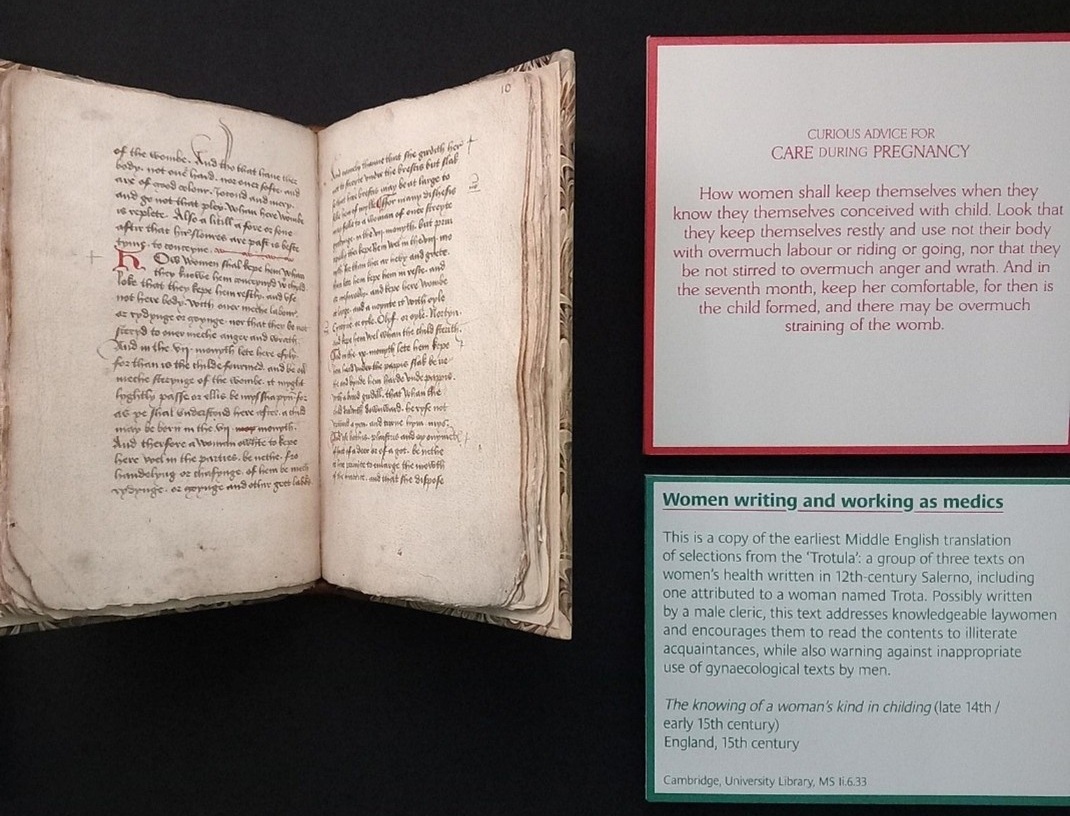
This connection between historical knowledge and modern concepts and consequences is also one which was prevalent throughout the exhibition, talk and display and only serves to show how valuable the Curious Cures exhibition was. While we may see the medieval period as a distant era, with medical understanding which might now appear to be laughably wrong, James was incredible at bringing it to life, showing us the lives of practitioners and patients.
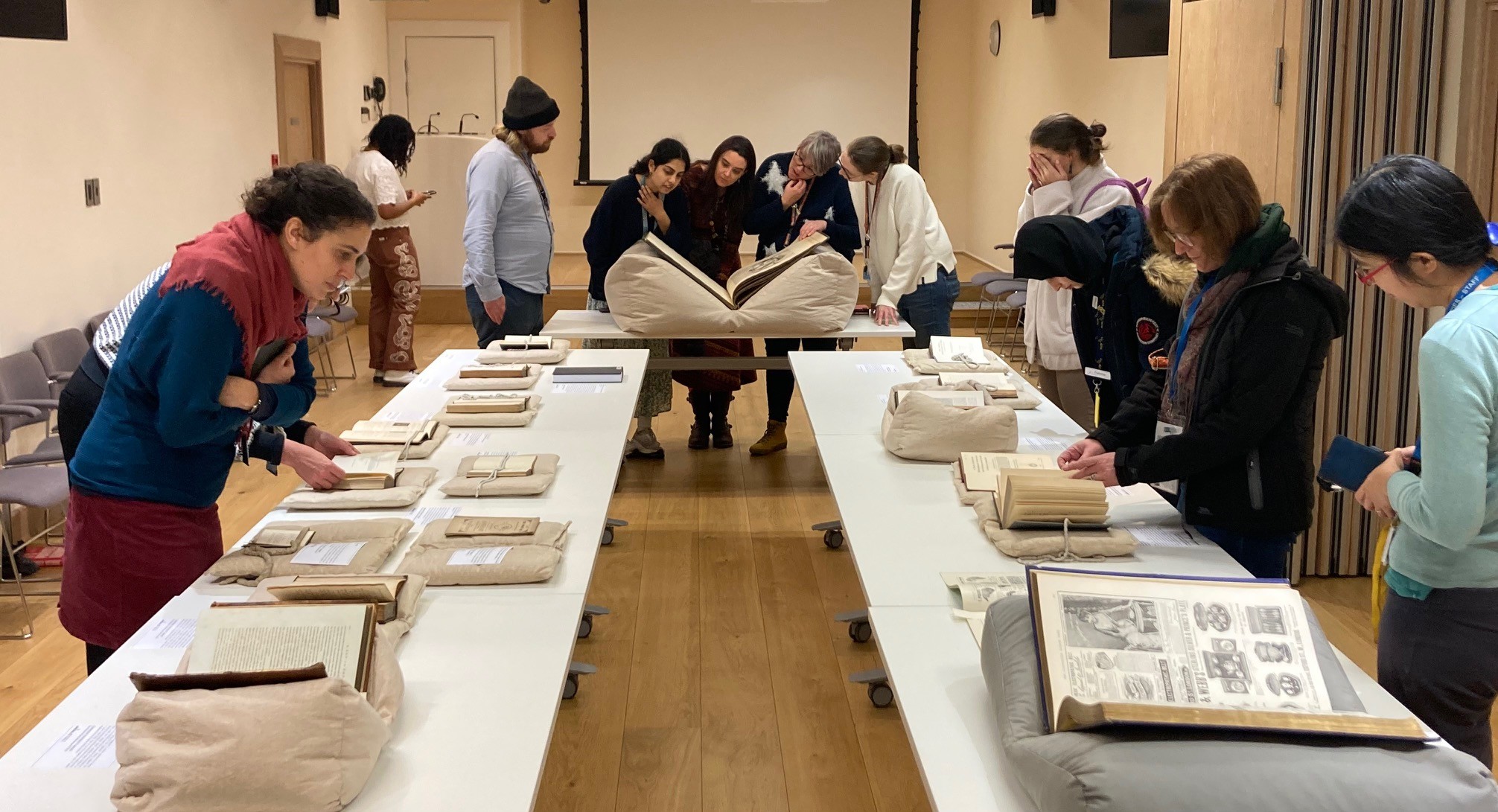
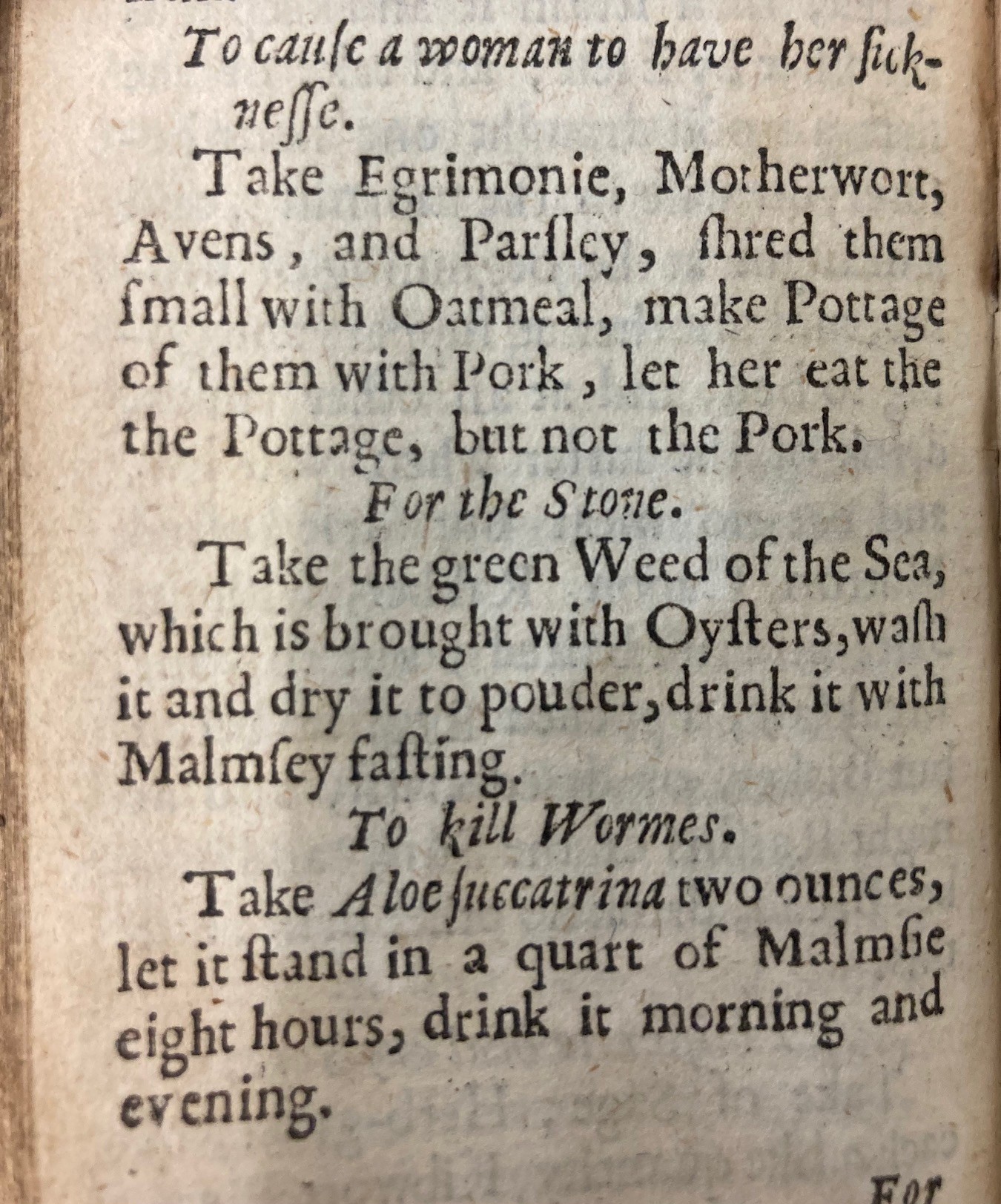
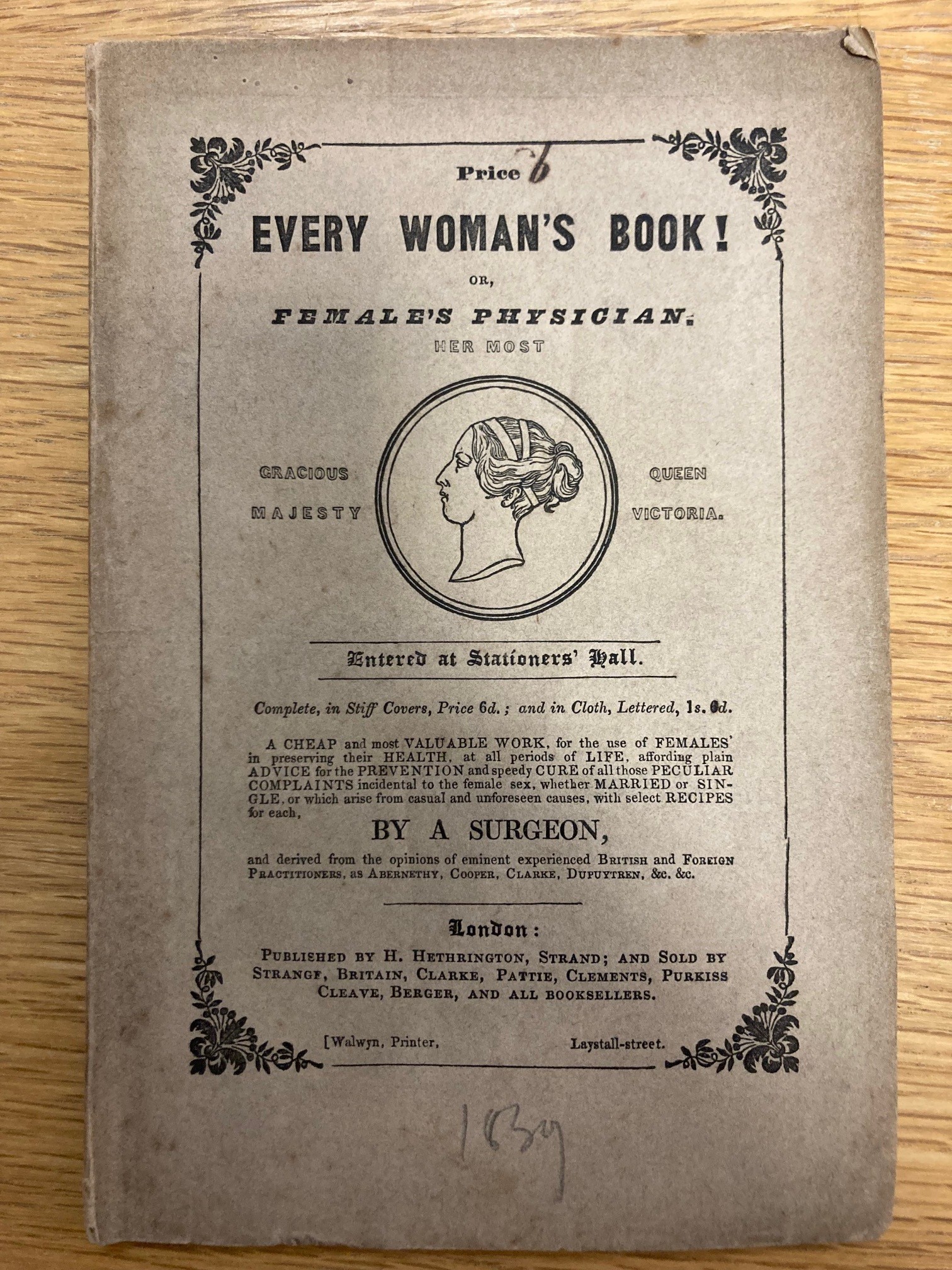
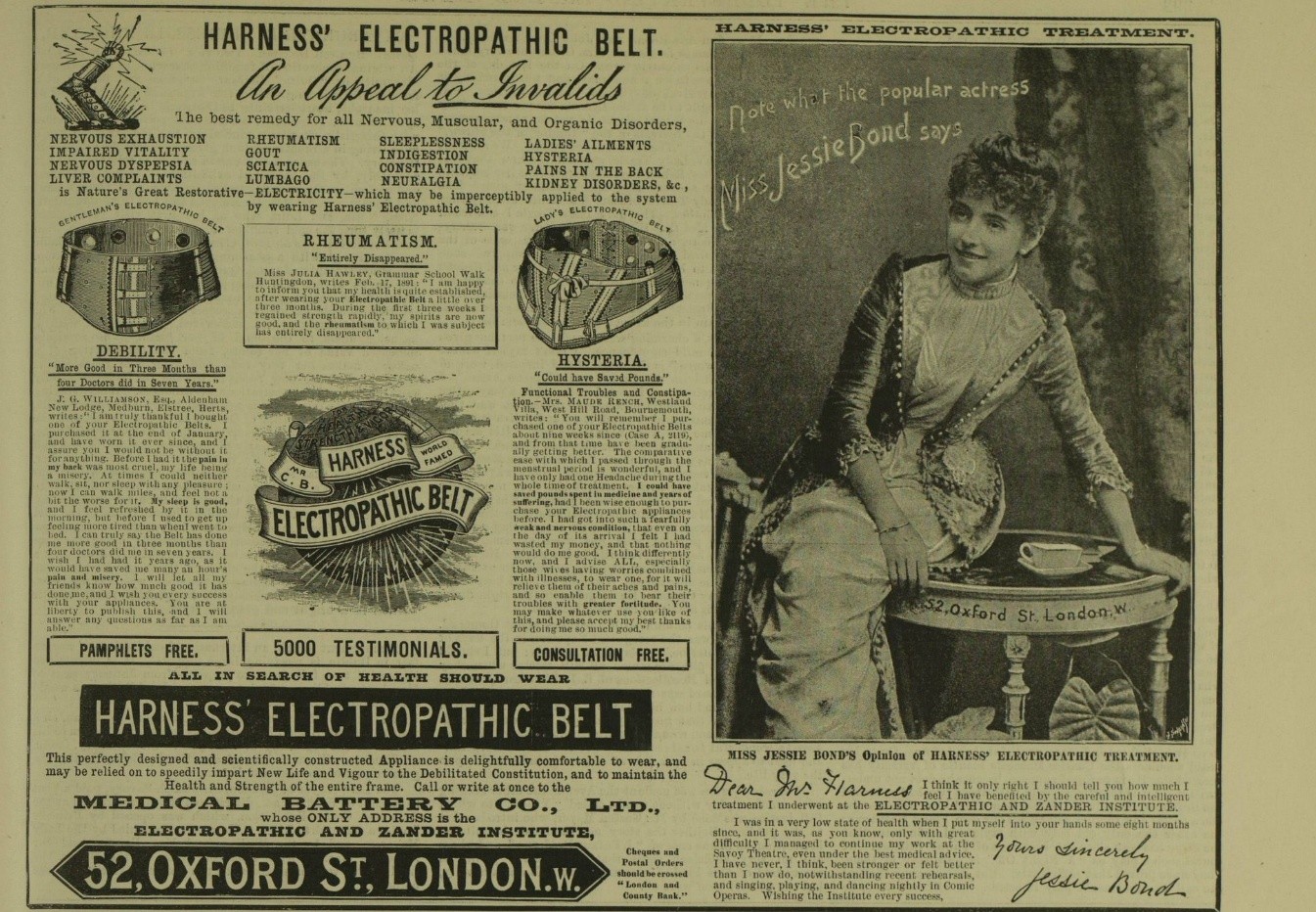
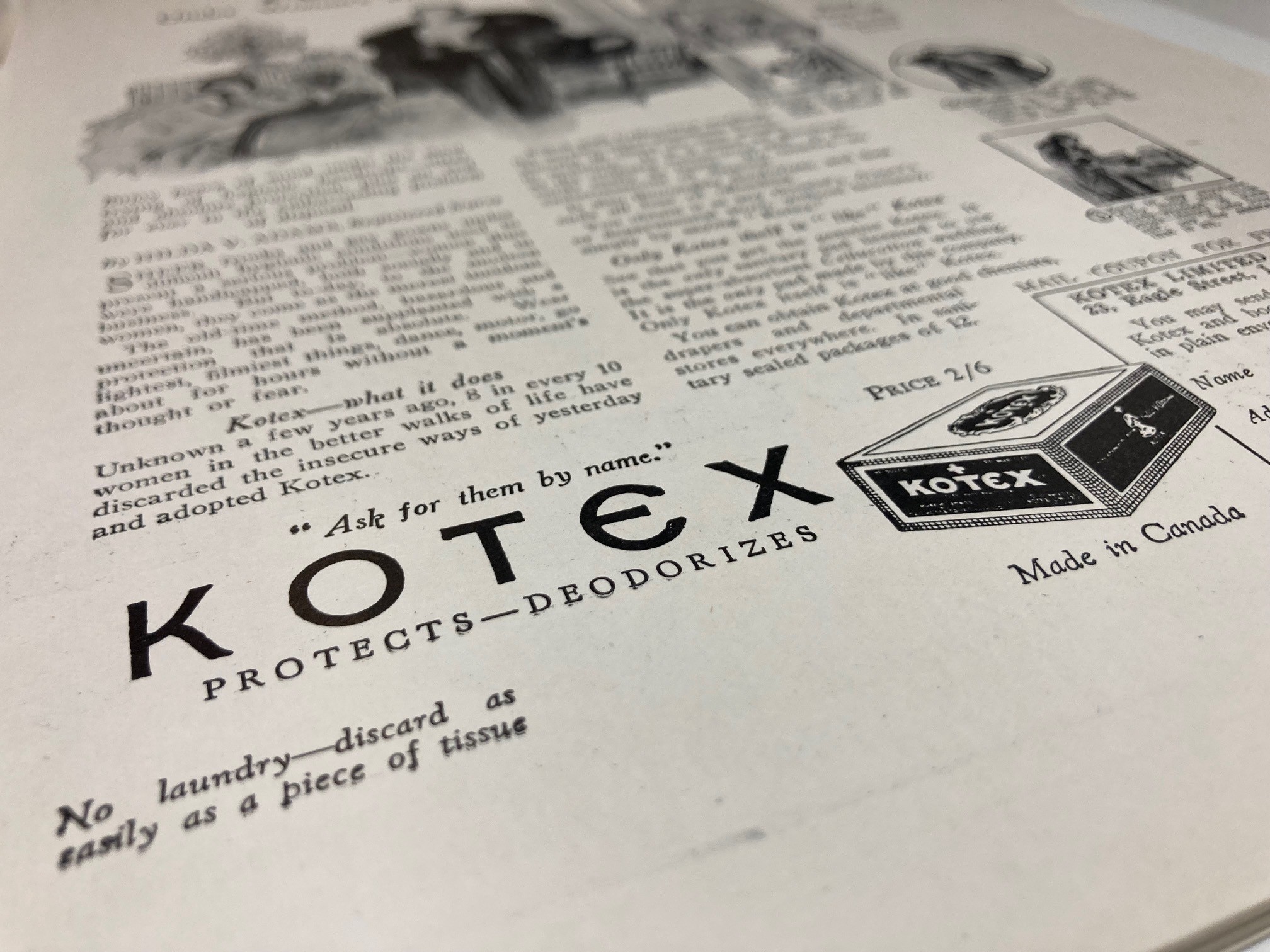
Throughout the session we were all able to see an incredible array of objects concerning menstrual health, and both Liam and James were amazing in showing us a fascinating lineage of this history. Whether this was from the present day with books on embracing spirituality and the menopause; or the twentieth century, from which came the ideas that “Menstrual disturbances should always be considered a pathological condition to be treated, and cured where possible, and never as an inevitable condition of feminine life” and “as a rule, in healthy girls under favourable circumstances neither the pain nor the discharge itself is sufficient to justify withdrawal from the usual duties and pleasures of life.” Then to the adverts for the ‘Harness’s electropathic belt’, curing anything including ‘ladies ailments’ and ‘hysteria’ in a nineteenth-century issue of The Illustrated London News. Eighteenth-century home recipes of comfrey leaves, wild bramble bush, plantain, yarrow and red archangel flowers sought ‘to cure the over-flowing of the courses, without… any farther trouble.’ And recipes in the seventeenth century called for ‘a woman that hath too much of her flowers’ (perhaps a heavy period) to burn a hare’s foot and mix the remains with red wine. In the fourteenth century it was advised to “Take the leaves of violas, roses and mallow, and in equal parts … cooked in water and from that water one should make a subfumigation for her [i.e. apply the water to her genitals as a vapour by boiling it underneath her]. Then one should take the horn of a deer, and with that having been burned, one should reduce it to powder and one should drink it dissolved in rain-water.”
Here there is history, yes of endometriosis, adenomyosis, of menstrual health and alchemy, of medics and medical topics, but there is also social history, art history, in no small part to one of the finest anatomical atlases ever to be produced: the ‘Anatomia uteri humani gravidi tabulis illustrata’ by William Hunter. We also saw religious history, with the fragment from the Cairo Genizah from the twelfth century containing a legal declaration by one of the leading Jewish scholars of the Middle Ages, Moses Maimonides, on the requirement for Jewish women to bathe after menstruation.
I acknowledge that this has already been heavy with quotes, names and numbers, but another that particularly stood out to me is from the first full length book study of Endometriosis by J R Goodall in 1943:
Some of our knowledge upon the subject is factual, some is still in the delightful realm of speculation. Nature seldom is harried by having but a singular track she is always prolific in switches.
This is because when looking at these topics, represented in the collection here and further afield, there are all of these histories, modern, medieval, ancient and more besides, there are sympathetic and harsh words, genius and folly, beautiful illustrations and ugly realities, but throughout all of that there were the people reading the books or the newspapers or being told the recipes or having to take these concoctions, and there were people suffering with what we still know far too little about today. Those who would not, most likely, have shared this opinion of their pain being in a ‘delightful realm of speculation’, who would see nature’s proliferation of ‘switches’ as more closely resembling a complex, growing or evolving condition, and crucially who would be asking the same questions that far too many with Endometriosis or Adenomyosis are seeking answers to today.
Those interested in learning more might like to contact the Cambridge Endometrial Network, which fosters interdisciplinary networking, collaboration, and knowledge-exchange. The Network’s next event is on 6 March: CEN & EDI International Women’s Day Forum: Endometriosis. More information here.
There will also be a joint Cambridge University Libraries & Archives, and Institute of Astronomy ‘Endometriosis in the Workplace’ event on 17 March. More information here.
This was a really thoughtful and eye‑opening piece — I love how it connects historical medical texts and exhibits with modern conversations about endometriosis and menstrual health. Seeing rare manuscripts and early writings alongside today’s advocacy brings a deep sense of continuity to the struggles and understanding over time. It makes the Special Collections feel alive and relevant in a modern context.
Thank you so much for your kind thoughts! Liam Sims (Rare Books Specialist)