
Cambridge University Farm: a practical setting for the study of Agriculture
Eddington, on Cambridge’s north west side, is one of its newest suburbs, developed since 2013 to meet University housing needs. It extends over the former site of the University Farm, resident 1910-1997, whose records are now part of the University Archives.
A farm was first established in 1899 on 142 acres at Burgoynes Farm in Impington village; the same year as the Department of Agriculture and the Drapers’ Professorship of Agriculture, the latter with endowments from the London livery company and Sir Walter Gilbey. The farm provided a practical setting to support the teaching of agricultural studies.
In fact, Agricultural Education at Cambridge dates from 1892 when the Cambridge and Counties Agricultural Education Committee, an informal body consisting of University Professors and County Council representatives, first organised an Agricultural Course at the encouragement of central government. State funding, local and national, was crucial to long term provision. A Diploma in Agricultural Science and Practice open to all candidates whether members of the University or not was launched in 1894. It was followed in 1899 by a Special Examination in Agricultural Science for the Ordinary BA, covering Botany, Chemistry, Mechanics, Physics and Geology. To the few academics who opposed the ‘degradation of a liberal arts education’ by the introduction of ‘bread and butter’ topics, its advocates referred to the centuries old study of Law and Medicine as evidence that the University had always engaged with practical subjects. In succeeding decades, Cambridge developed a School of Agriculture encompassing in addition a Farm Economics Branch, Estate Management Branch, School of Forestry and several research units. A new building for the School on the Downing site in the city centre opened in 1910.
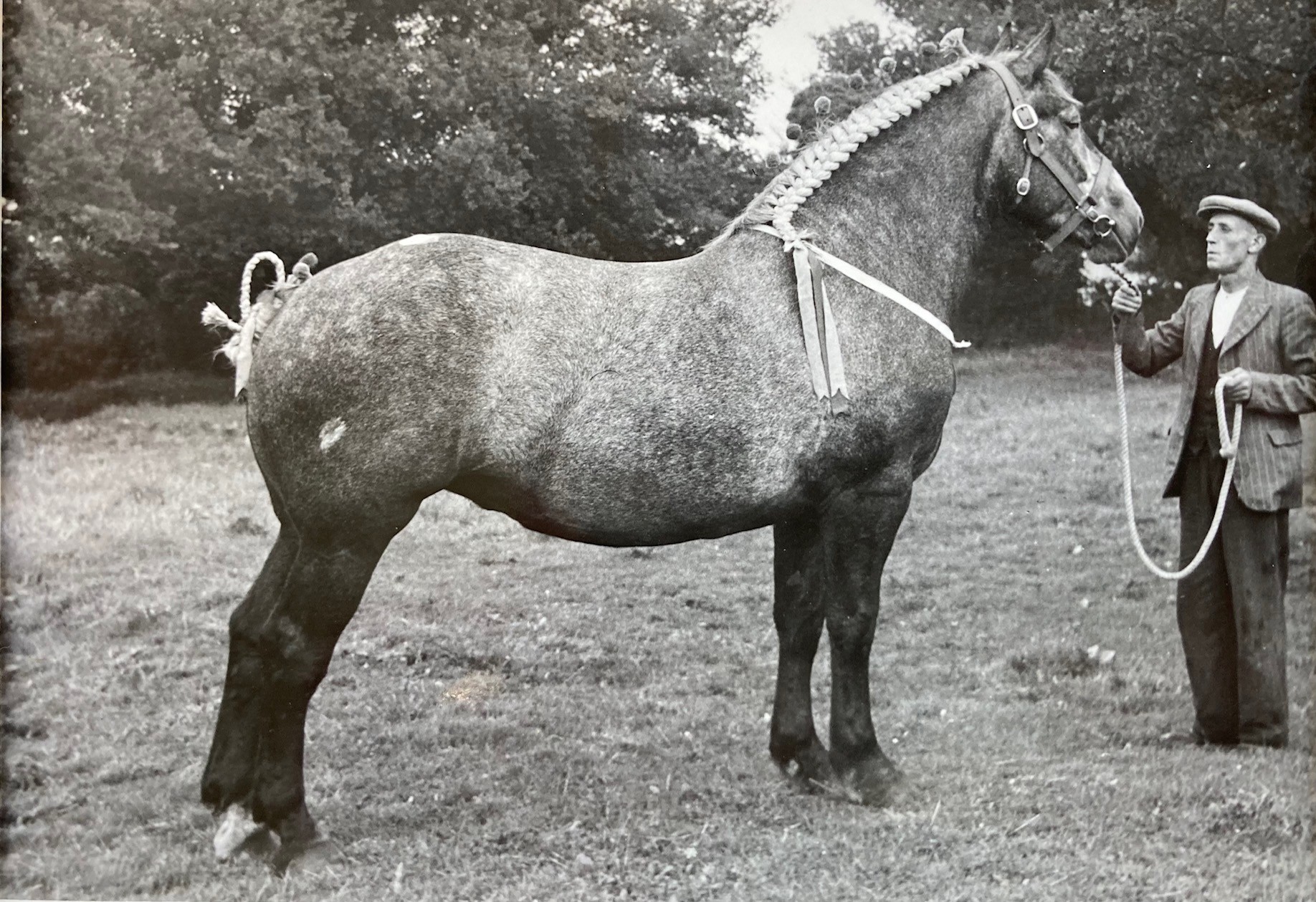
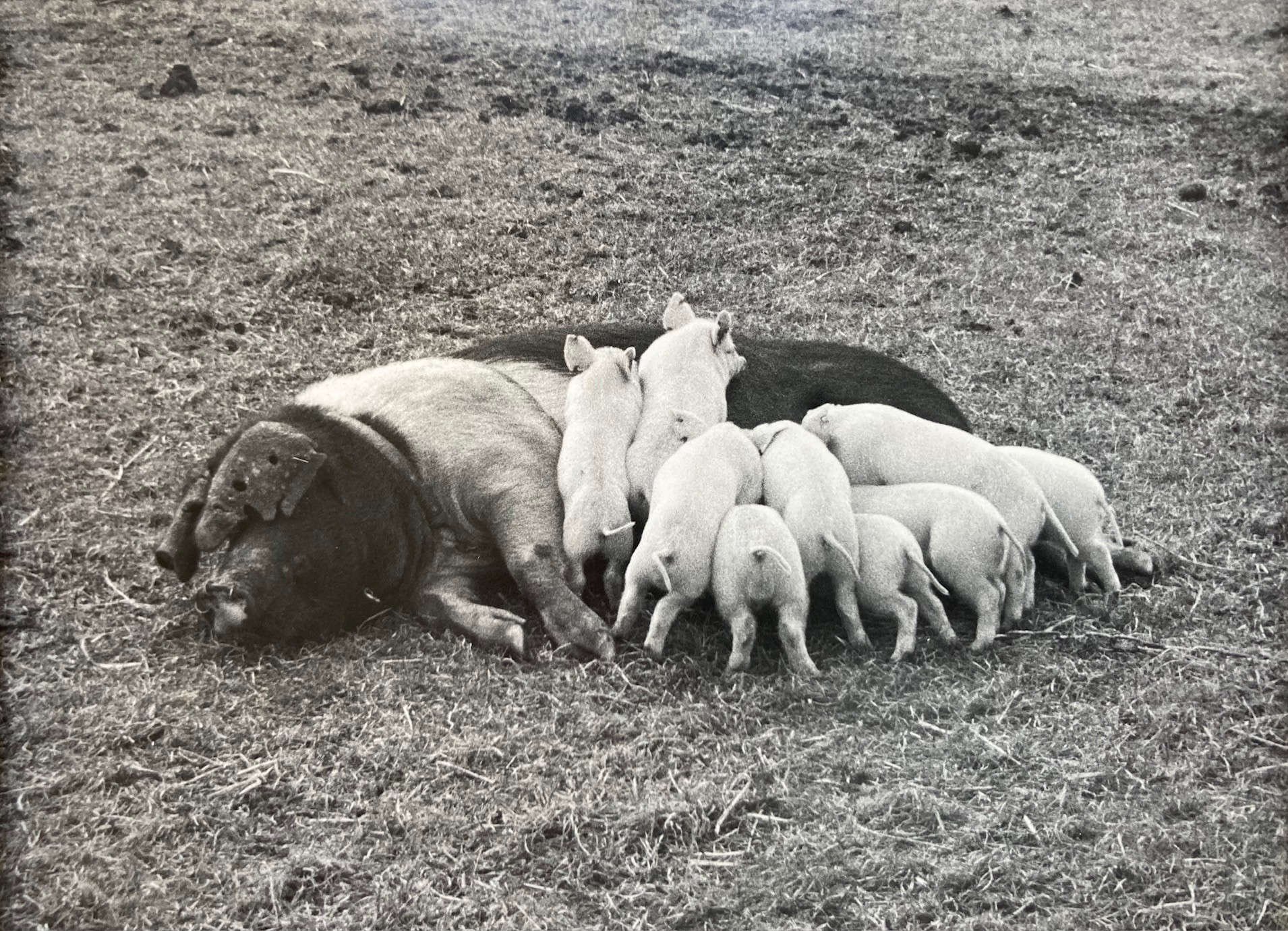
In 1910, the farm moved to occupy 200 acres rented from Trinity College at Gravel Hill Farm on Huntingdon Road, Cambridge. In 1923, the adjacent Howe Hill Farm comprising 200 acres was added and the entire site purchased. In 1930, the next door 300 acre Ladysmith Farm was added, followed in 1944, by 60 acres at Moor Barns Farm. By the 1950s, the farm covered roughly 700 acres – a long thin site along Huntingdon Road – of which 610 were heavy gault clay and 90 were gravel; with four sets of premises. Mixed or ‘ley’ farming – rotating livestock and crops – was practised across the soil types. The farm maintained herds of dairy (Shorthorn, Jersey) and beef cattle, as well as sheep and pigs, and, until full mechanisation in the 1940s, draft horses (Percheron) for ploughing. From the 1970s onwards, further land was purchased at Park Farm, Madingley for dairy activities and leased from various colleges. At its fullest extent the farm occupied ca 1000 acres.
By the late 1940s, there were several courses of study available for students opting for non-honours, honours and graduate degrees. The Agriculture Tripos, as the honours BA is known, was first examined in 1964 and the Land Economy Tripos in 1965. Agricultural options also formed part of the Applied Biology course for the Natural Sciences Tripos.
Through the twentieth century, the farm’s activities expanded to embrace research in Agriculture, Veterinary Science, Botany, Zoology and Genetics, some of it accommodated in Research Institutes (later called Field Stations) located at the farm. Regularly debated was the balance between teaching and research, vocational training and applied science, and the question of commercial self-sufficiency. From the late 1960s onwards, farm operations and acreage were affected by proposals to build the northern and western city bypasses across its land, initiatives which resulted in the M11 and A14.
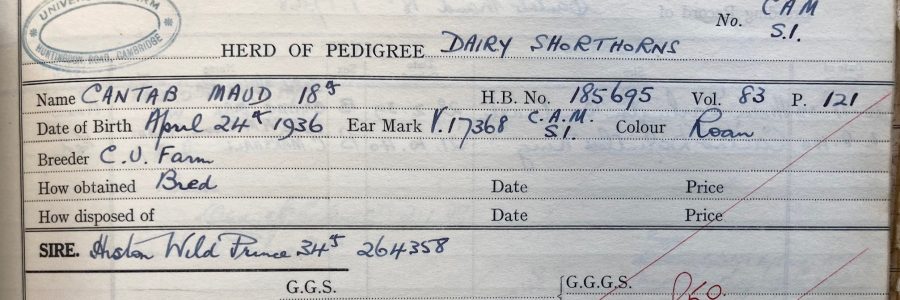
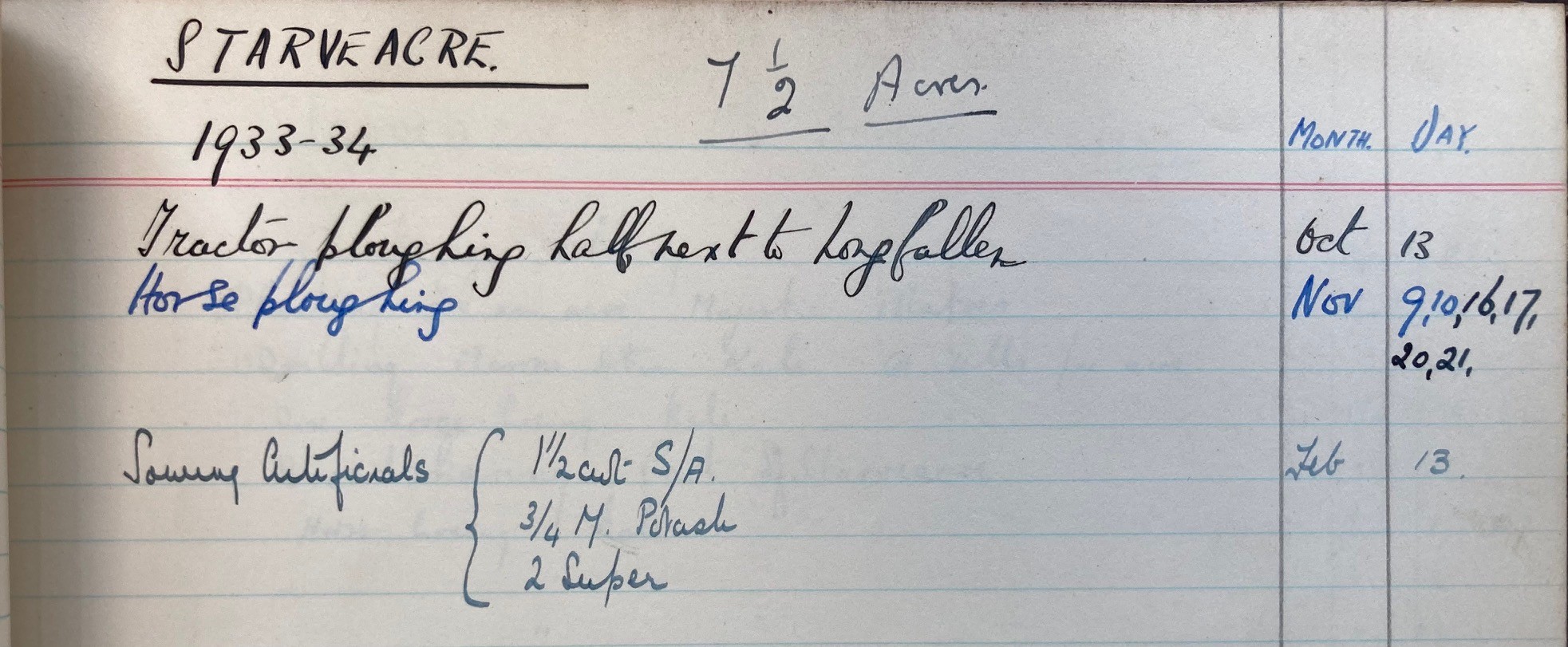
Surviving records cover all areas of activity, from farm management – there are field diaries, herd registers and rainfall record books for instance – to research, in the form of field station reports. Alongside routine administration, the Farm Director’s files during the 1930s include correspondence relating to the pedigree shire horses or prizes won by the pigs at agricultural shows; while those of his successor in the 1980s document teaching facilities provided for trainee vets.
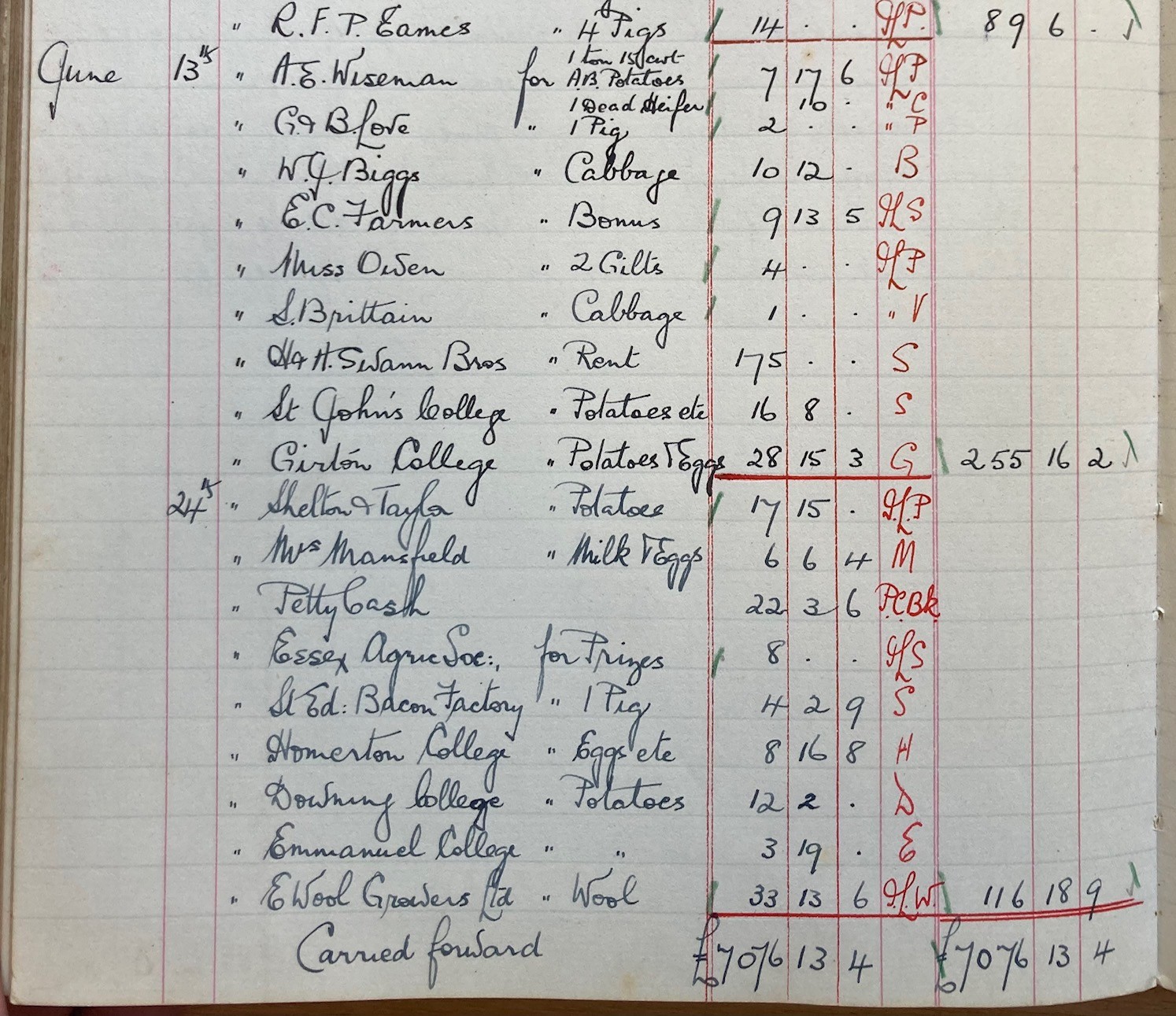
Accounting records survive in long runs from the start. They itemise purchases and sales of equipment, livestock and crops, including the sale of produce to the Colleges.
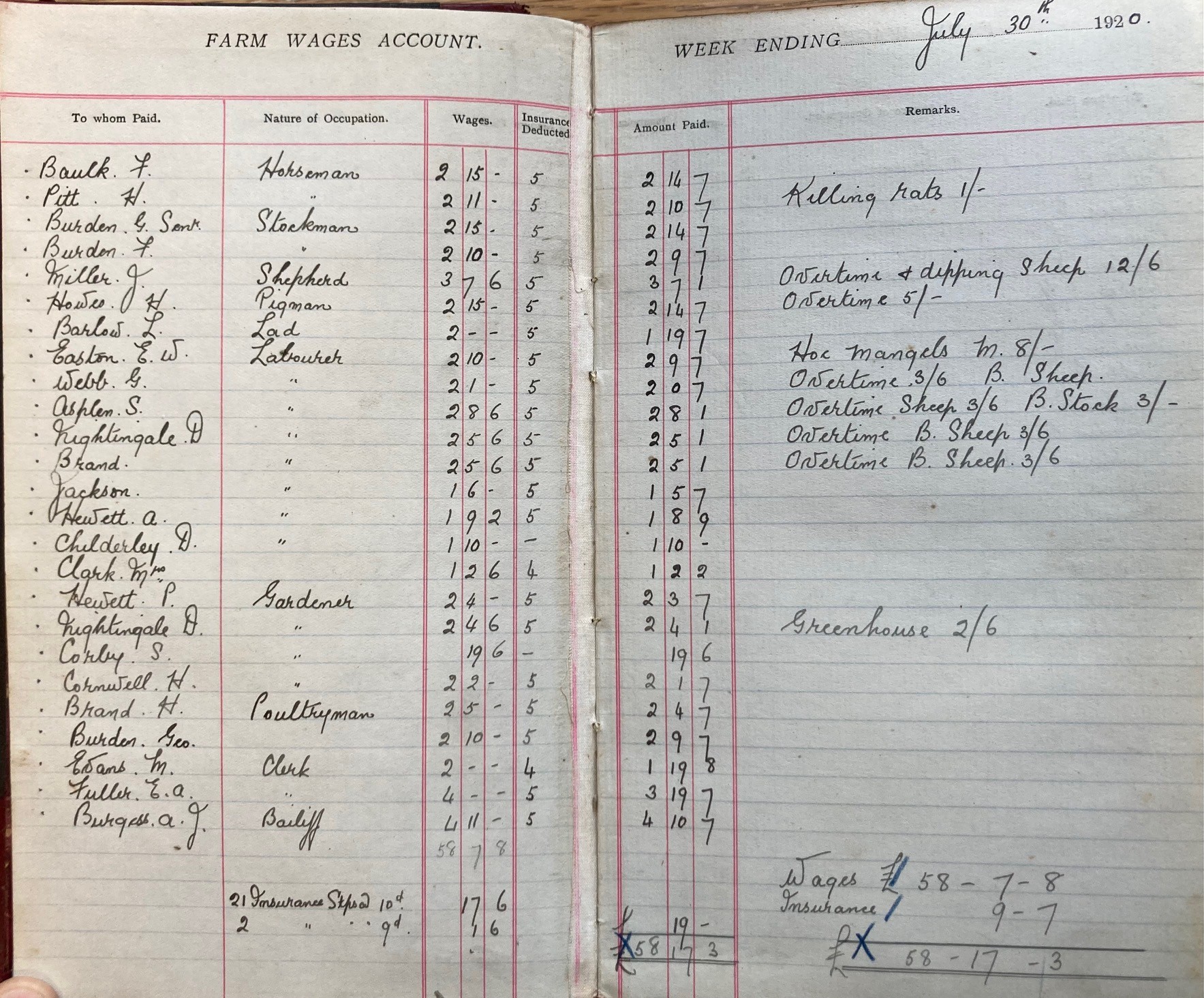
Wages books and labour sheets reveal changing names and numbers of farm hands and patterns of activity. 36 men were employed in 1924; their numbers were swollen by female casuals during harvest. By the 1970s, the figure was 11.
There are photographs from the 1950s of new equipment or the results of animal and crop trials. And a number of plans reveal ongoing issues of land drainage or, from the 1970s onwards, the swingeing impact of the new relief roads.
In 1997, the farm relocated much activity to Park Farm, Madingley and all farming ceased by 2011. In 2026, the farm continues to be managed by the Estates Division of the central University administration as a resource for the Department of Veterinary Medicine.
The records can be consulted in the Special Collections Reading Room at the University Library.
That’s a really interesting approach to agricultural studies – it’s great to see universities connecting with local land use like this.