
Where have all the bus maps gone? – a guest blog by John Davies
Where have all the bus maps gone? Well, nearly 1,000 bus maps, a collection accumulated by John Davies over many years (with some inherited from his father), have been donated to Cambridge University Library Map Department. In this guest blog post, John tells us a little about the collection and touches on the dramatic rise and demise of the bus map, as detailed in his recent publication The Rise and Demise of the Bus Map. As well as being fascinated by maps in general, John has written about Soviet military maps in the co-authored The red atlas : how the Soviet Union secretly mapped the world
Read more below!
Historic bus and tram maps provide valuable information for researchers interested in the development of public transport over the last hundred or so years of relentless social, political and technological changes.
As well as recording the extent of local networks at specific dates, revealing the various expansion or reduction of services, they identify the succession of changes of operating companies due, for example, to nationalisation in 1968 and following privatisation in 1986.
Whereas railways and stations have a physical presence to be surveyed and recorded on Ordnance Survey maps, bus services leave no such footprint and only the bus map provides evidence of their existence.
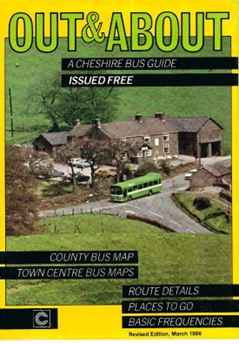
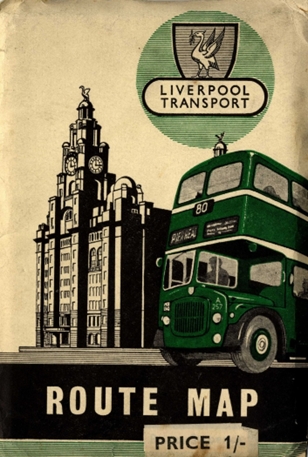
And unlike Ordnance Survey maps, there are no standard specifications for bus maps; every one is a unique production. For students of cartography and design the interest lies in the many different ways the mapmakers have portrayed (or ignored) complex information such as days of operation, frequency, stopping patterns and so on. Most maps were produced as standalone folders and the artwork of the covers is in itself a worthy topic of study.
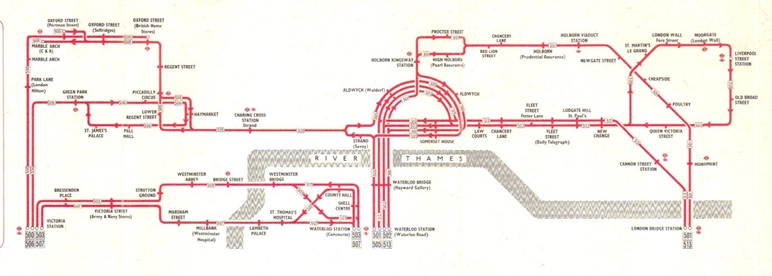
Transport for London (TfL) ceased production of their iconic London Bus Map in 2016 for reasons of cost, complexity (frequency of changes) and changing passenger habits (the advent of the smartphone and apps). Most other authorities and bus companies followed suit soon after.
The surviving paper maps provide permanent tangible evidence, unlike their successor, the ever-changing real-time internet-based apps. However, these paper maps were ephemera, having short useful lives before becoming outdated and discarded. Very few survive in collections available for public study.
For this reason, the recent transfer of almost one thousand maps to the Cambridge University Library Map Department provides a unique and valuable resource to researchers.
The collection spans the years 1938 to 2025 and covers the British Isles (except Scotland) and many overseas countries, notably in Europe, the Americas and the Antipodes. A similar collection of Scottish maps has been deposited at the National Library of Scotland
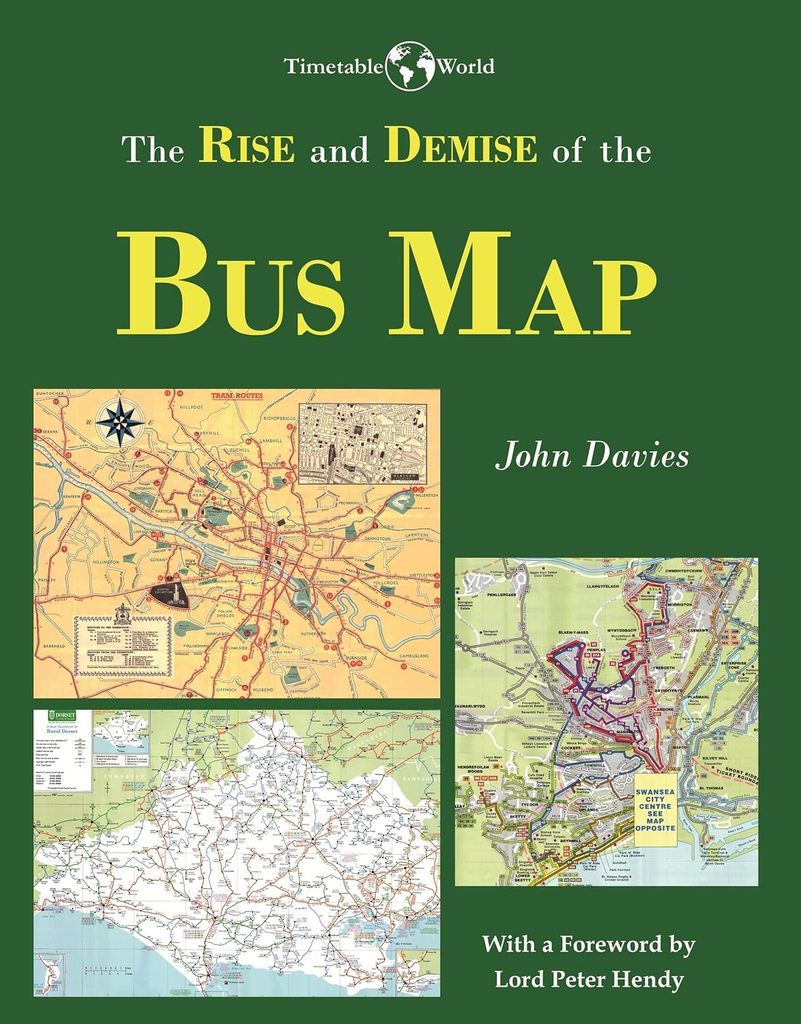
The maps donated to Cambridge University Library and National Library of Scotland were collected over many years by me during my travels at home and abroad. A selection of over 200 appear in my book The Rise and Demise of the Bus Map (Timetable World, 2026), with a narrative describing the political and social developments which influenced the provision of bus services and bus maps in 20th Century Britain.
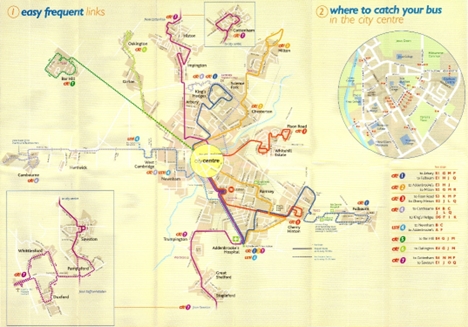
Highlights of the CUL collection include:
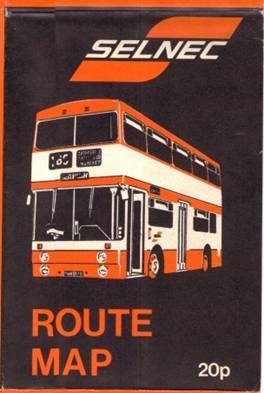
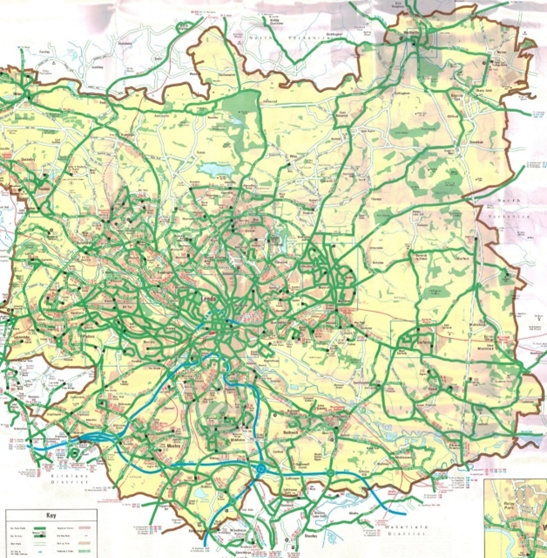
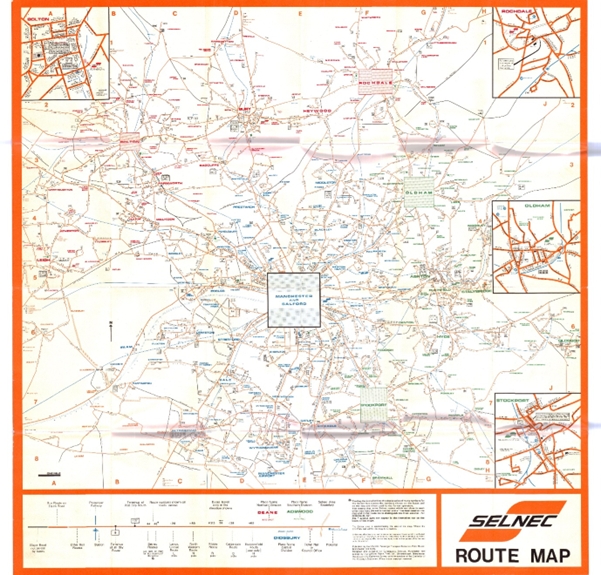
- Maps produced by the passenger transport executives (PTEs), created to take over and integrate existing municipal and commercial services in their respective conurbations, in Tyne & Wear (Nexus), Greater Manchester (Selnec), Merseyside, West Yorkshire (Metro), South Yorkshire and West Midlands (Centro).
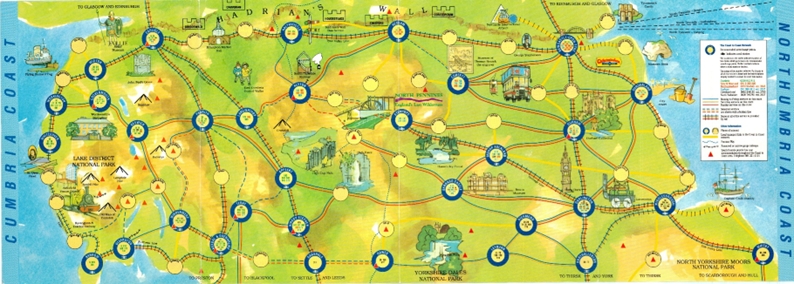
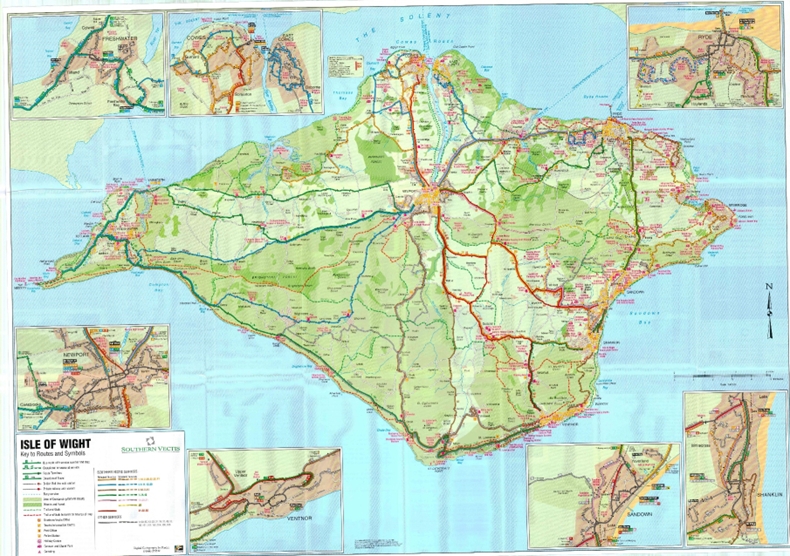
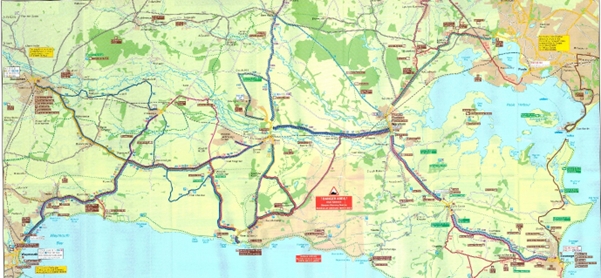
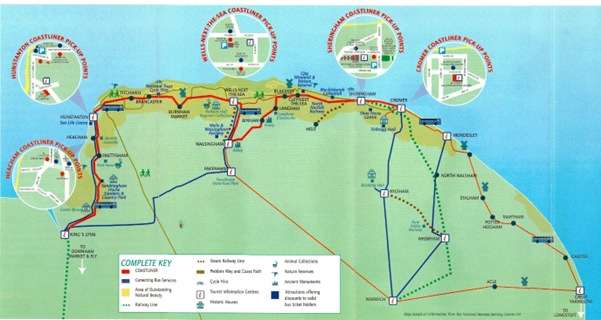
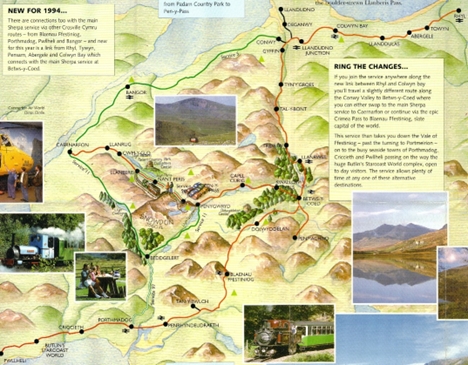
- Maps designed to encourage travel by bus to explore and hike in popular tourist areas, such as the North Pennines, the Lake District, Snowdonia, Norfolk, the Jurassic Coast, and the Isle of Wight.
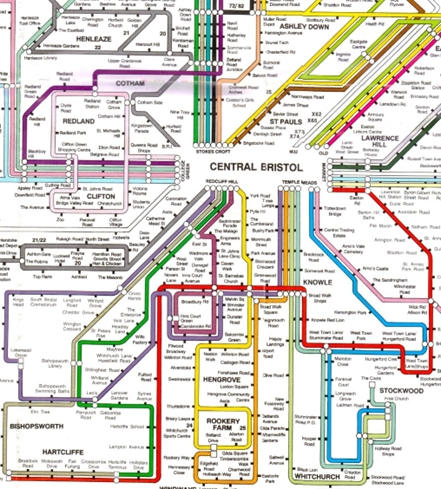
- Diagrammatic maps in the style of the London tube map, such as of Bristol and Red Arrow services.
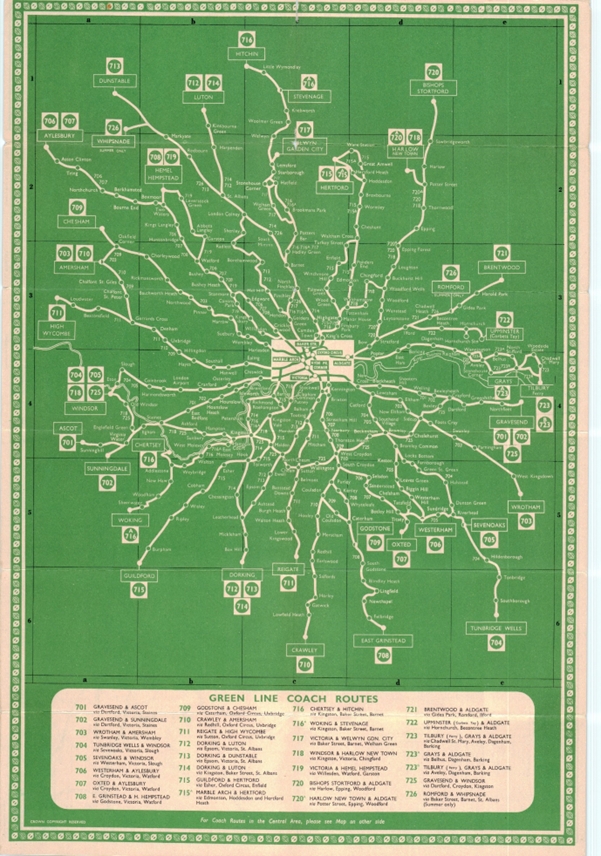
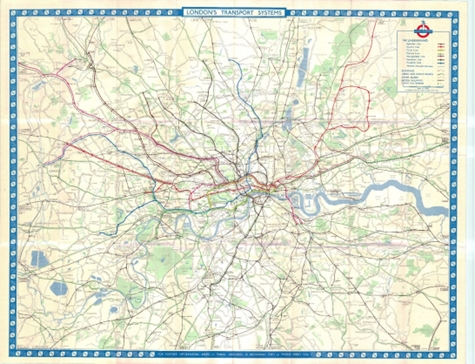
- Successive styles of London bus and coach maps
… and many others.
That’s such a frustrating thing to happen. I’ve seen similar things with local trail maps disappearing – it’s always a shame.
Terrific. What a wonderful donation!